Understanding PSI and Water Flow Before You Start Cleaning
Whether you are tackling a moss-covered driveway in Logan, a mouldy fence in Sunnybank, or the weathered pavers around a pool in Mansfield, the first decision in any pressure cleaning job is also the most important: how much pressure and how much water do you actually need? Many Brisbane homeowners buy or hire a machine and simply pull the trigger, only to find etched concrete, splintered timber or water forced behind cladding. Understanding PSI and water flow before you begin is the best way to get a clean result without causing costly damage.

What PSI Actually Means
PSI stands for pounds per square inch, and it measures the force of the water as it leaves the nozzle. In metric terms, Australian equipment is often rated in bar or MPa. As a rough guide, 14.5 PSI equals 1 bar, and 145 PSI equals 1 MPa. A machine rated at 3,000 PSI is therefore producing about 207 bar, or roughly 20.7 MPa.
PSI tells you how hard the water hits the surface. Higher pressure is better at breaking the bond between dirt and a surface, but it also increases the risk of damage. Pressure is not the whole story, however, because it works together with water flow.
What Water Flow (GPM and LPM) Means
Water flow is the volume of water the machine delivers over time. In the US it is measured in gallons per minute (GPM); in Australia it is usually shown in litres per minute (L/min or LPM). One GPM is about 3.8 litres per minute.
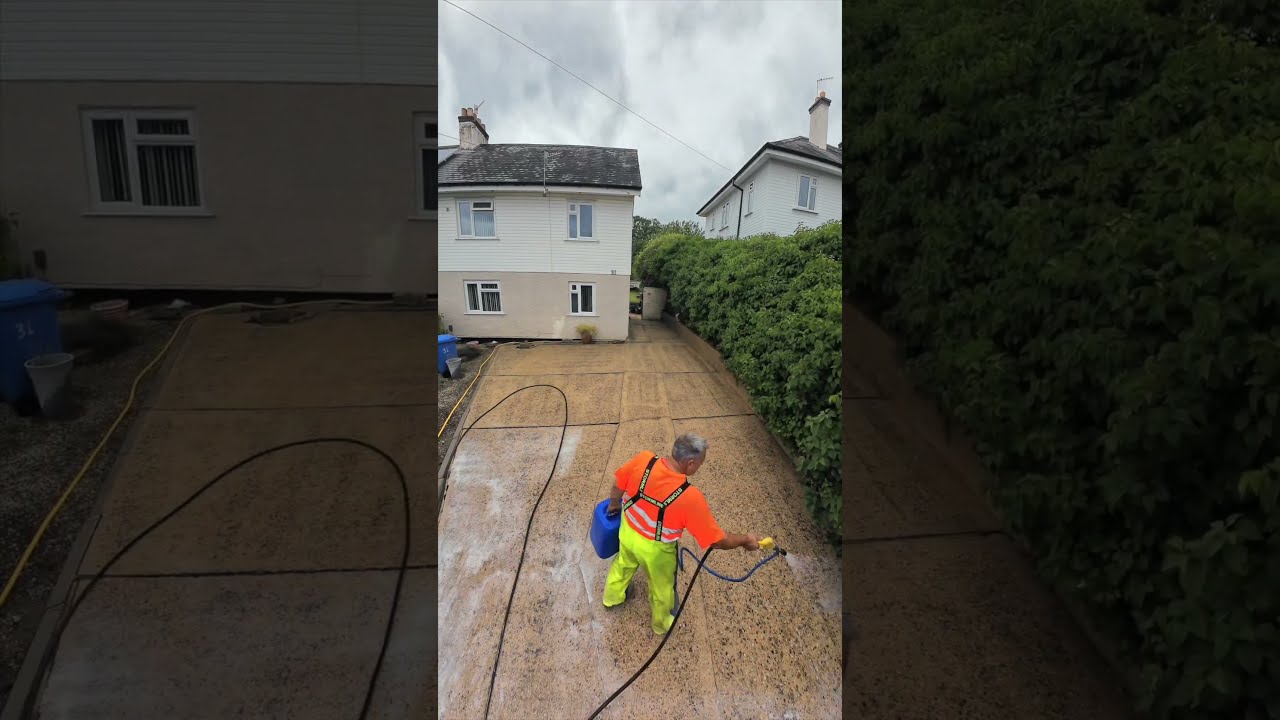
Flow rate determines how quickly dirt and loosened debris are rinsed away. Two machines can have identical PSI ratings but perform very differently if one delivers 7 L/min and the other delivers 15 L/min. The higher-flow unit will clear a surface faster because it carries more water across it.
Cleaning Units: Combining PSI and Flow
Professionals often refer to cleaning units, a simple way of estimating a machine's overall cleaning power. The formula is:
Cleaning Units = PSI × GPM
For example, a machine producing 2,500 PSI at 2.5 GPM has 6,250 cleaning units. A machine producing 3,000 PSI at 2.0 GPM has 6,000 cleaning units. Although the second unit has higher pressure, the two have similar overall cleaning capability. This is useful when comparing machines, but remember that cleaning units do not tell you whether a surface can safely handle the pressure.
Typical PSI Ranges for Common Household Machines
Light-Duty Electric Machines
Most small electric units sold at hardware stores produce roughly 1,300 to 2,000 PSI with flow rates around 5 to 8 L/min. They suit cars, outdoor furniture, bins, barbecues and light cleaning of small decks and pathways.
Medium-Duty Machines
Petrol or higher-powered electric machines in the 2,000 to 3,000 PSI range with 8 to 11 L/min are popular for driveways, patios, fences and larger outdoor areas. These are common choices for Brisbane homeowners dealing with regular mould and algae growth.
Commercial and Professional Units
Professional machines may run at 3,000 to 4,000 PSI or more, with significantly higher flow rates. They are suited to heavily stained concrete, commercial hardstand areas, and large-scale jobs. They are generally too aggressive for delicate household surfaces without the right nozzles and technique.
Recommended Pressure by Surface
The right setting depends on the material. The following are general guidelines only, and you should always test a small, inconspicuous area first.
- Concrete driveways and paths: 2,500 to 3,500 PSI, using a surface cleaner attachment to avoid streaking and etching.
- Pavers and pool surrounds: 1,500 to 2,500 PSI. Excess pressure can strip the sand from the joints and roughen the surface.
- Hardwood decking: 500 to 1,200 PSI with a wide fan tip, working with the grain.
- Softwood timber and fences: 500 to 800 PSI. Softwood is easily gouged and fuzzed.
- Brick and rendered walls: 1,000 to 1,500 PSI or lower, as high pressure can damage mortar and render.
- Colorbond roofing and fascia: Low pressure, typically below 1,200 PSI, and ideally a soft wash approach.
- Vehicles: 1,000 to 1,500 PSI with a wide-angle nozzle.
- Windows and screens: Very low pressure only, as high pressure can damage seals and tear flyscreens.
Choosing the Right Nozzle
Nozzles change the spray pattern and effective pressure at the surface. Standard colour-coded nozzles are widely used:
- 0° (red): A concentrated jet. It is highly damaging and is rarely suitable for home use.
- 15° (yellow): Strong cleaning for tough stains on hard surfaces such as concrete.
- 25° (green): General-purpose cleaning for many surfaces.
- 40° (white): Gentler, suitable for vehicles, painted surfaces and delicate materials.
- 65° (black): Low-pressure application, typically used for detergent.
A wider nozzle spreads the water over a greater area, reducing impact. Distance matters as well. Holding the nozzle closer increases the force on the surface, so begin further away and move closer only if needed.
Brisbane-Specific Considerations
Brisbane's subtropical climate, with warm temperatures, humidity and regular summer storms, encourages mould, mildew, algae and lichen on outdoor surfaces. In the southern suburbs, shaded areas under established trees, south-facing walls, and properties near creeks and bushland are particularly prone to growth. Hot, wet conditions mean surfaces can look green or black again within months if the underlying growth is not properly treated.
For this reason, pressure alone is often not the best answer. On roofs, painted surfaces, timber and render, a soft wash method that applies a suitable cleaning solution at low pressure kills organic growth at the root. High pressure may remove the visible surface layer while leaving spores behind, so regrowth occurs faster.
Many older Brisbane homes also feature timber Queenslander-style cladding, aged paint, and weathered render. These materials can be fragile, and older paint may contain lead. If you are unsure about the age or condition of a painted surface, avoid high-pressure cleaning and seek professional advice.
Water Use and Local Considerations
Water flow affects how much water a job uses. Higher-flow machines clean faster but consume more water. Although Queensland has recovered from past drought restrictions, using water wisely remains good practice. Check current Queensland Urban Utilities and Logan or Brisbane City Council guidance for any restrictions that may apply in 2026.
Also consider where runoff goes. Wash water carrying detergents, oils, paint flakes or sediment should not enter stormwater drains, which flow directly to local creeks and ultimately Moreton Bay. Where possible, wash on lawn or garden areas that can absorb water, or use a containment method for larger jobs, especially when using chemicals. Councils in South East Queensland take stormwater pollution seriously, and commercial operators are expected to manage wastewater appropriately.
Safety Before You Start
A pressure washer can cause serious injury. A jet at 2,000 PSI or above can break the skin, and injection injuries, where water is forced beneath the skin, require urgent medical attention even when they look minor.
- Wear protective gear: closed-in non-slip footwear, safety glasses, hearing protection for petrol machines, and long pants.
- Check hoses and fittings: look for cracks, leaks and worn connections before starting.
- Use a safe power supply: for electric models, plug into an RCD-protected outlet and keep cords away from water.
- Control the trigger gun: engage the safety latch when pausing and never point the lance at people or pets.
- Beware of ladders: the recoil of a pressure washer can knock you off balance, so avoid cleaning from a ladder where possible.
- Test first: start with the widest nozzle and lowest pressure on a hidden spot and increase gradually.
Common Mistakes to Avoid
Several errors cause most pressure cleaning damage. Using too narrow a nozzle on timber can leave deep scars. Holding the lance too close to concrete can create visible stripes, often called zebra striping. Spraying upward under cladding or roof tiles can force water into wall cavities and roof spaces. Cleaning windows, door seals and electrical fittings at close range can lead to leaks and faults. Finally, overlooking the water supply is a common issue: if your tap cannot supply enough flow for the machine's rated L/min, performance suffers and pump damage is possible.
Matching Flow to Your Water Supply
Check the machine's minimum inlet flow requirement. A standard garden tap and hose often supplies around 10 to 20 L/min, depending on household pressure and hose diameter. Using a thin, kinked or overly long hose reduces supply. A 19 mm (3/4 inch) hose generally performs better than a 12 mm hose. Starving a pump of water can cause cavitation, which damages internal components and shortens the machine's life.
When to Call a Professional
https://sethlotl575.brightpathdigest.com/posts/why-soft-washing-is-vital-for-underwood-vinyl-cladding-homesSome jobs are better left to experienced operators. These include roof cleaning, multi-storey exterior washing, heavily stained or sealed surfaces, and properties with delicate or ageing materials. Professionals have access to adjustable equipment, appropriate detergents, surface cleaners and wastewater control, and can select the right balance of PSI and flow for each surface. If you are in the Brisbane southern suburbs and are unsure about your surface or equipment, a quick on-site assessment can save you from expensive repairs later.
Key Takeaways
PSI measures the force of the water, while flow rate measures the volume that rinses dirt away. Effective cleaning relies on both. Match your pressure to the surface, choose a suitable nozzle, keep your distance until you have tested, and consider soft washing for organic growth common in Brisbane's humid climate. Manage runoff responsibly, follow safety precautions, and consider professional help for complex or high-risk jobs. With the right preparation, you can achieve a clean, long-lasting result while protecting your property.
Brisbane Southside Pressure Cleaning
(07) 3179 6111